The Azores are known for their temperate climate, a factor that makes the destination inviting for nature vacations 365 days a year.
The island complex is composed of 9 islands, divided into three groups. It is in the eastern group that we can find the island of Santa Maria, the first island to have been discovered in the archipelago. It is not known for sure the year of the discovery of the Sun Island, what is certain is that it was discovered by Portuguese navigators, somewhere between the years 1427 and 1432.
The island of Santa Maria is ideal for vacations, especially in the summer time, not only because of the climate, but also because of the abundance of excellent bathing areas. Still, from Vila do Porto to São Pedro, the built heritage invites you to know the past times. To get to know all these wonders, we have prepared a 2-day itinerary to help you explore one of the most beautiful places in Portugal.
We recommend, in order to fulfill the itinerary – that you leave as early as possible.
Day 1
Vila do Porto – Museu de Santa Maria (Polo de Vila do Porto) – Forte de São Brás – Casa dos Fósseis e Centro de Interpretação Dalberto Pombo – Porto da Vila do Porto – Monumento Natural Pedreira do Campo Figueiral e Prainha – Miradouro da Macela – Praia Formosa – Parque das Fontinhas – Ribeira do Maloás – Área da Paisagem Protegida da Maia – Farol de Gonçalo Velho e Fábrica da Baleia – Piscinas Naturais da Maia – Cascata do Aveiro
Leaving your place of accommodation towards the center of the municipality of Vila do Porto. After arriving there, walk through the town center visiting its various churches and monuments, with special emphasis on the Convent of São Francisco, where the town hall of Vila do Porto is located. Next, go down the main street and visit the Núcleo Museológico de Vila do Porto do Museu de Santa Maria, the Casa dos Fósseis and the Dalberto Pombo Interpretation Center. These three places offer a lot of knowledge about historical, ethnographic and geological aspects of the island of Santa Maria, knowledge that will undoubtedly enrich your experience.
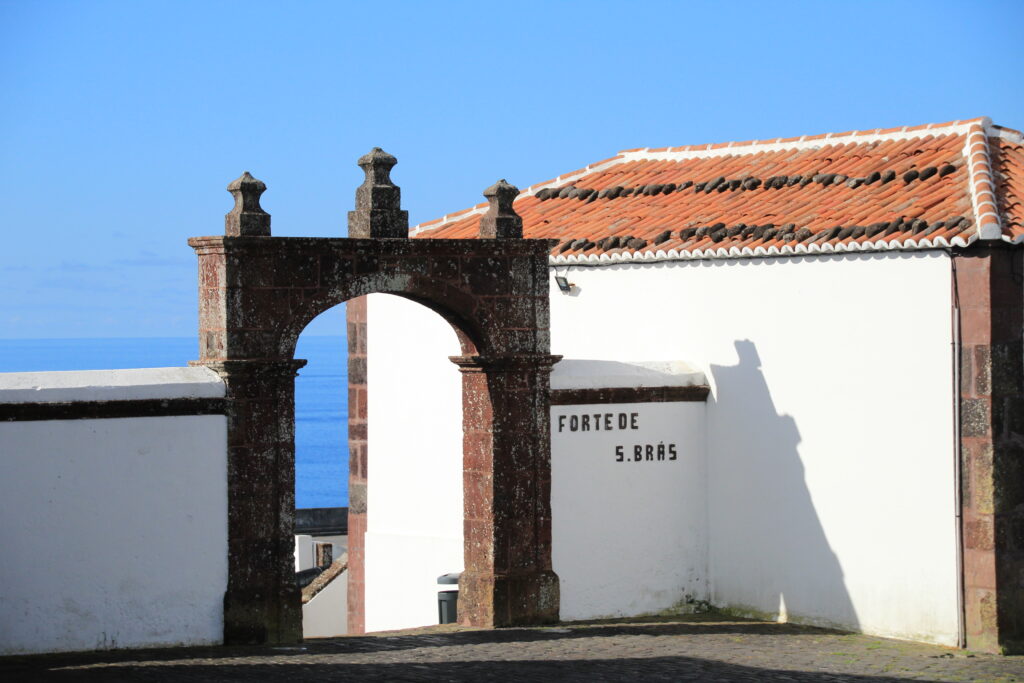
Continuing down the same street, and almost at its end, you will come across the Forte de São Brás, one of the unavoidable historical landmarks of Vila do Porto. It is believed to have been built around the seventeenth century, having had as its main function to protect the island from attacks and looting by pirates and corsairs. Also, from the top of the fort, we can have a beautiful panoramic view of the Port of Vila do Porto.
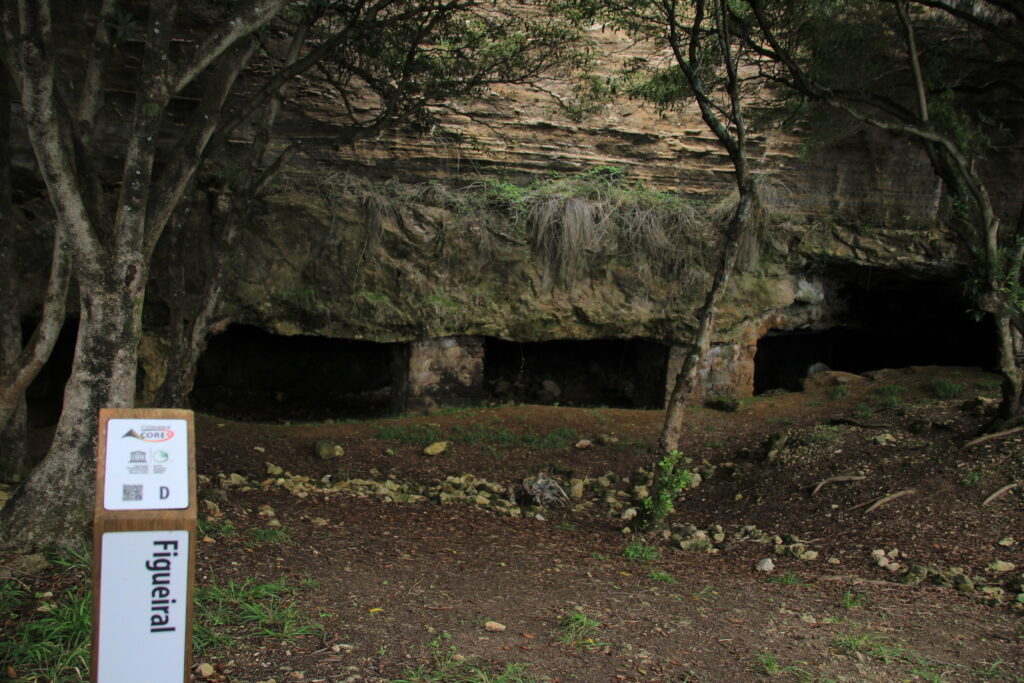
Soon after visiting the São Brás Fort and contemplating the Port of Vila do Porto, hit the road and head for the Pedreira do Campo, Figueiral and Prainha Natural Monument. This monument, integrated in the SMAPR5 trail, includes coastal areas that are extremely important to the natural heritage of the Azores. The Figueiral Cave, the ex-libris of this place, is an artificial cave that served as a place of extraction of carbonate rock to manufacture lime, material used to paint the typical houses of the island. On the ceiling and walls of the cave you can see several marine fossils.
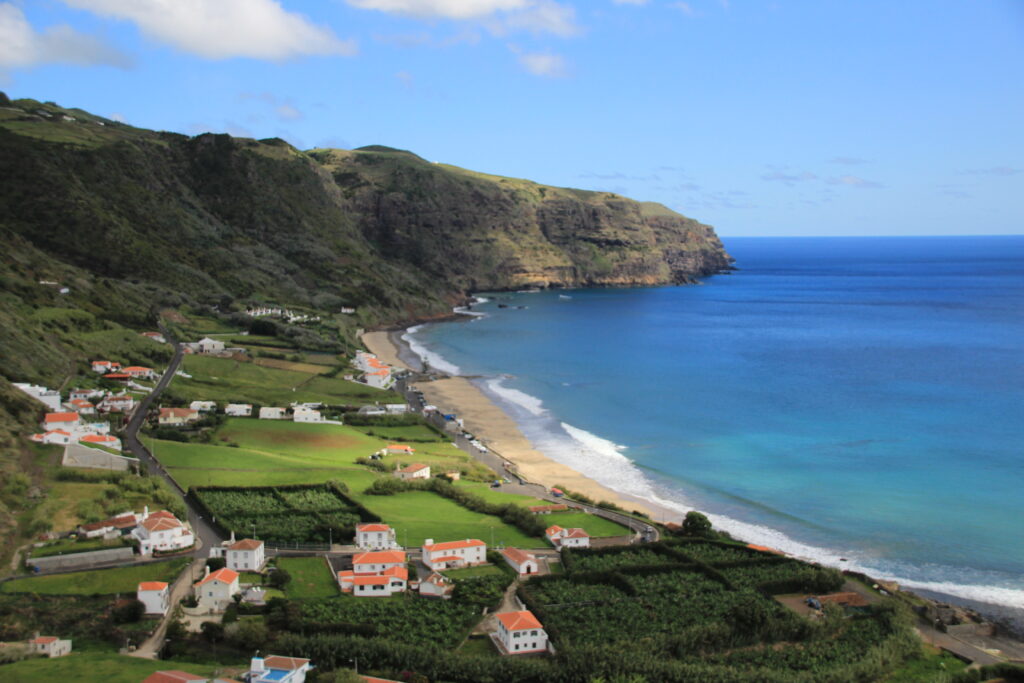
After visiting Gruta do Figueiral, and after contemplating the fossils in the open air, it is a good time to visit one of the most emblematic places on the island of Santa Maria, Praia Formosa. Before you get to the beach area itself, you can admire a panoramic view of Praia Formosa from the Miradouro da Macela, a beautiful contrast between the white sand and the crystalline blue of its waters. Continue down the road and admire the beach up close.
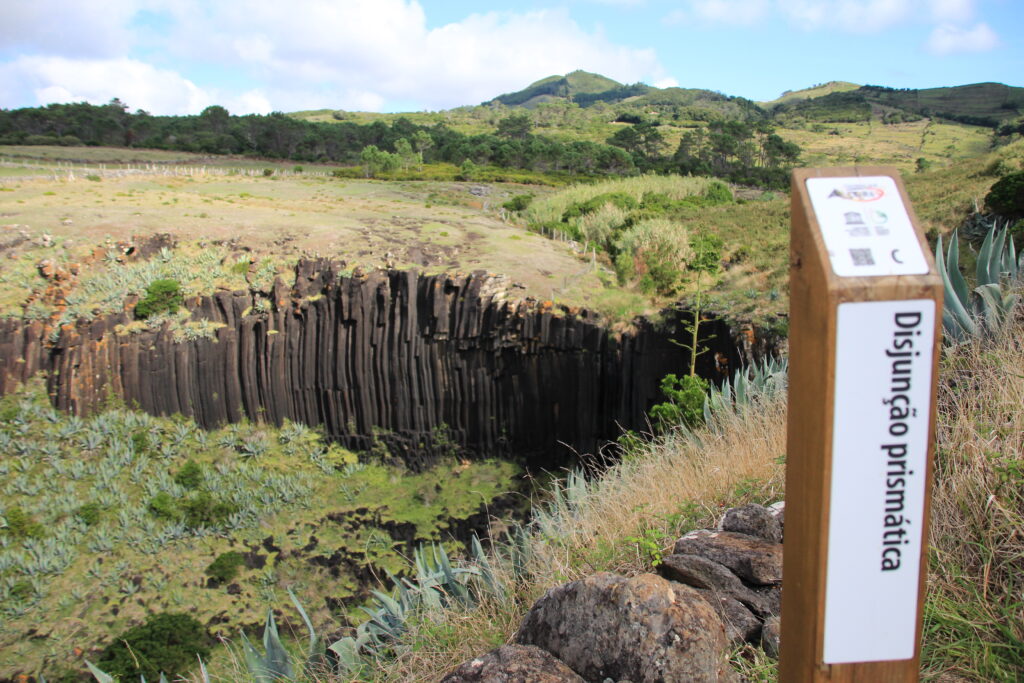
Immediately after Praia Formosa, head towards the Malbusca area. There, head towards Ribeira do Maloás, also known as the Calçada do Gigante (Giant’s sidewalk), due to its resemblance to the phenomenon located in Iceland. This place corresponds to an outcrop of basaltic columns, also called prismatic or columnar disjunction, where you can also observe a waterfall about 20 meters high. It is considered one of the main places of geological interest in Santa Maria.
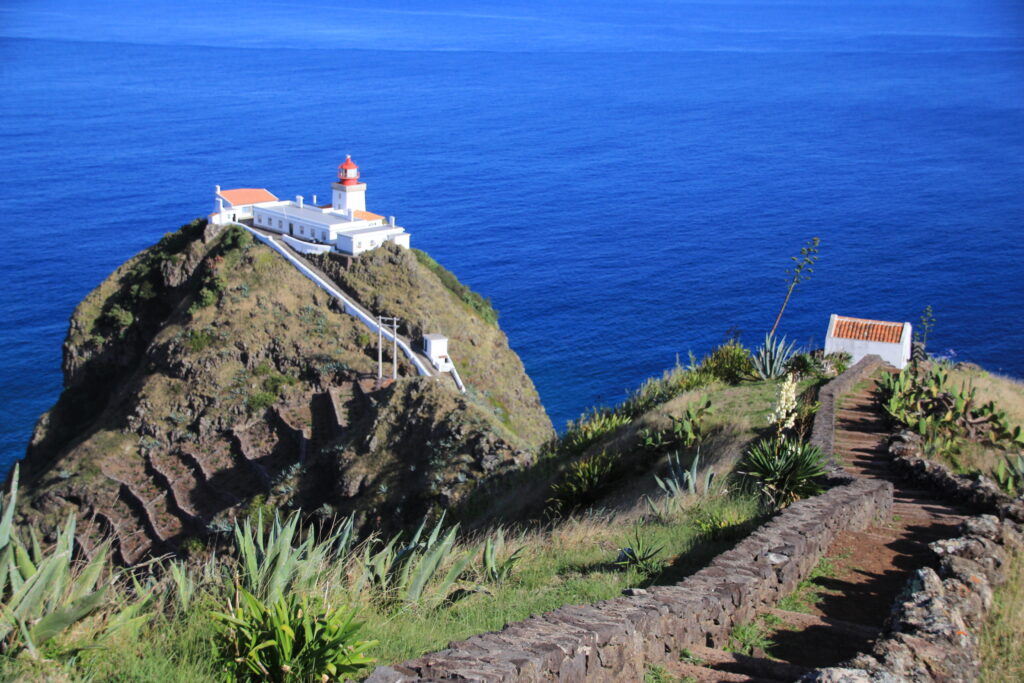
Continue, after sighting the Ribeira do Maloás, your route towards the Baía da Maia Protected Landscape Area. Before you get there, following the zigzagging road, you will come across the Gonçalo Velho lighthouse, located in the Ponta do Castelo area, which is also known as the Ponta do Castelo lighthouse. The lighthouse is open for visits, and in these visits you can learn more about its history and operation. Besides the lighthouse, you can also find here the old whaling complex of Ponta do Castelo. The whale-watching complex of Ponta do Castelo was the first whale-watching complex to exist and work on the island of Santa Maria. On the pathway on the right side of the lighthouse, it is possible to reach the old Whaling Station of Ponta do Castelo.
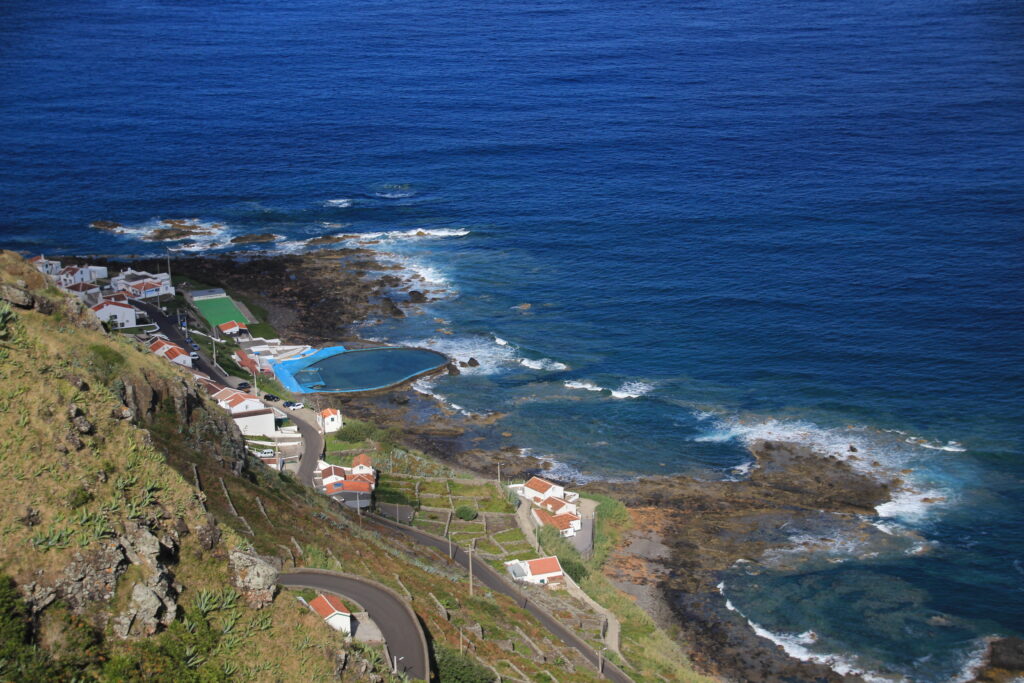
Almost at the end of the first day on the island of Santa Maria, it is time to visit the Baía da Maia Natural Reserve. This is a small summer resort area that features a landscape filled with vineyards and a great natural pool that invites you to bathe. Also located in the Maia area, and to end the day, visit the Aveiro Waterfall.
The Aveiro Waterfall is an imposing waterfall, about 100 meters high. It is formed by two watersheds that crash vertically down the eroded cliff. It is one of the largest waterfalls in Portugal, has a small lake and a picnic area.
At the end of a day filled with some of the best charms of the island of the Sun, return to Vila do Porto and have dinner there, there are several quality options.
Anjos Bay – Nossa Senhora dos Anjos Chapel – Christopher Columbus Statue – Anjos Natural Swimming Pools – Faneca Cove – Lagoinhas Viewpoint – Ponta do Norte Lighthouse – São Lourenço Bay – São Lourenço Islet – São Lourenço Islet – Pedreira Well – Pico Alto Protected Area – Typical Santa Maria House and Santa Maria Chimney
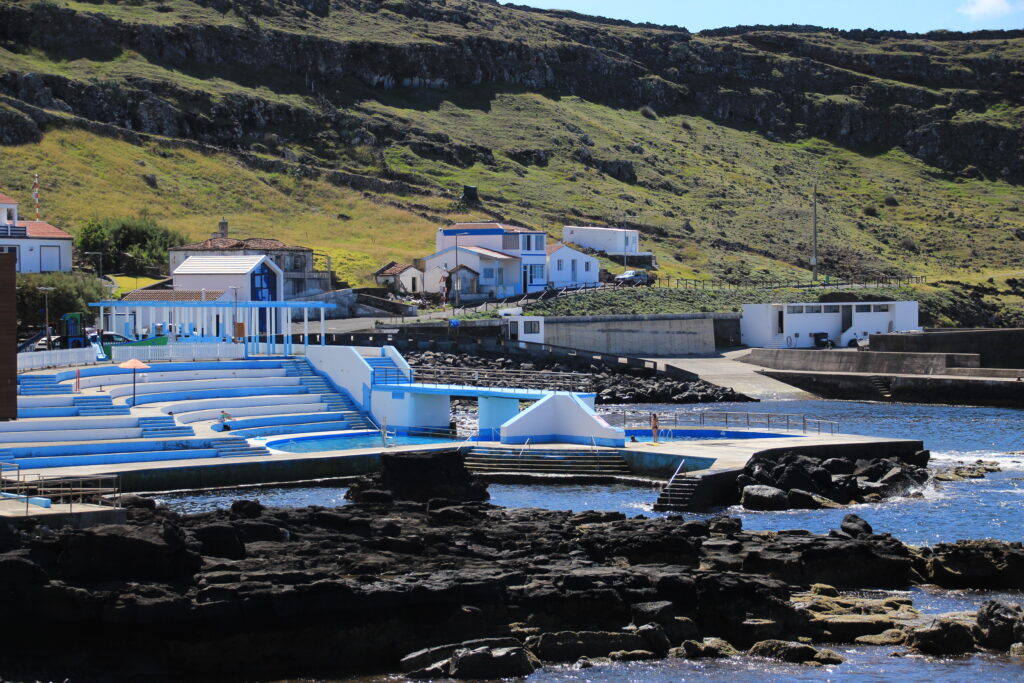
To start the second day of your visit to the Sun Island, leave Vila do Porto towards Anjos. The Baía dos Anjos Nature Reserve is a seaside village with a small fishing port and great natural pools, but also a place full of history, as it was here that Christopher Columbus landed before returning to America.
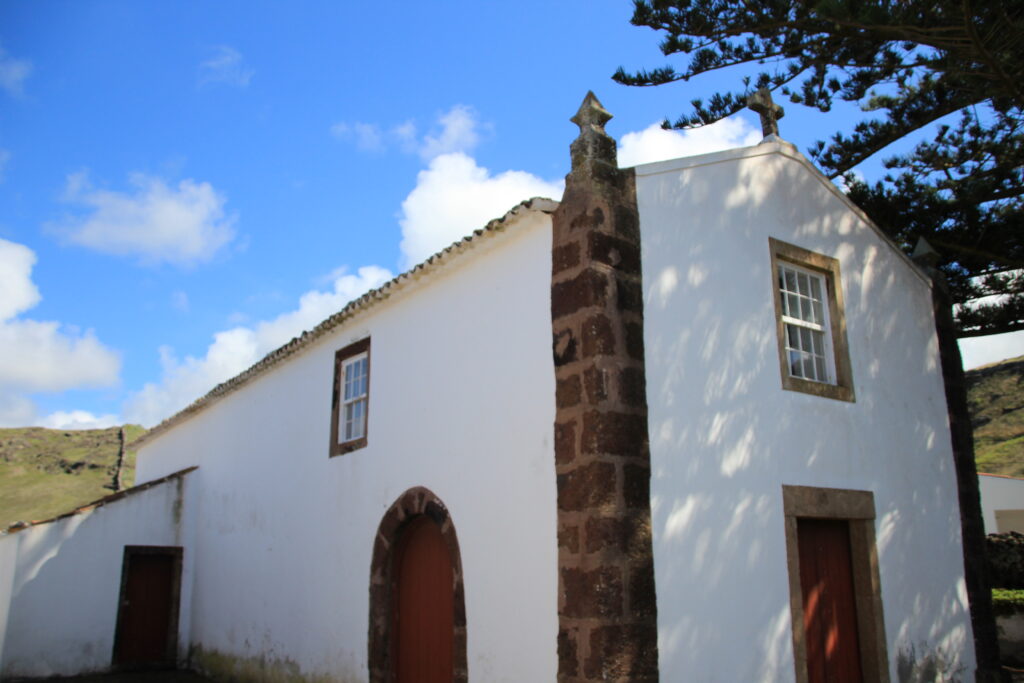
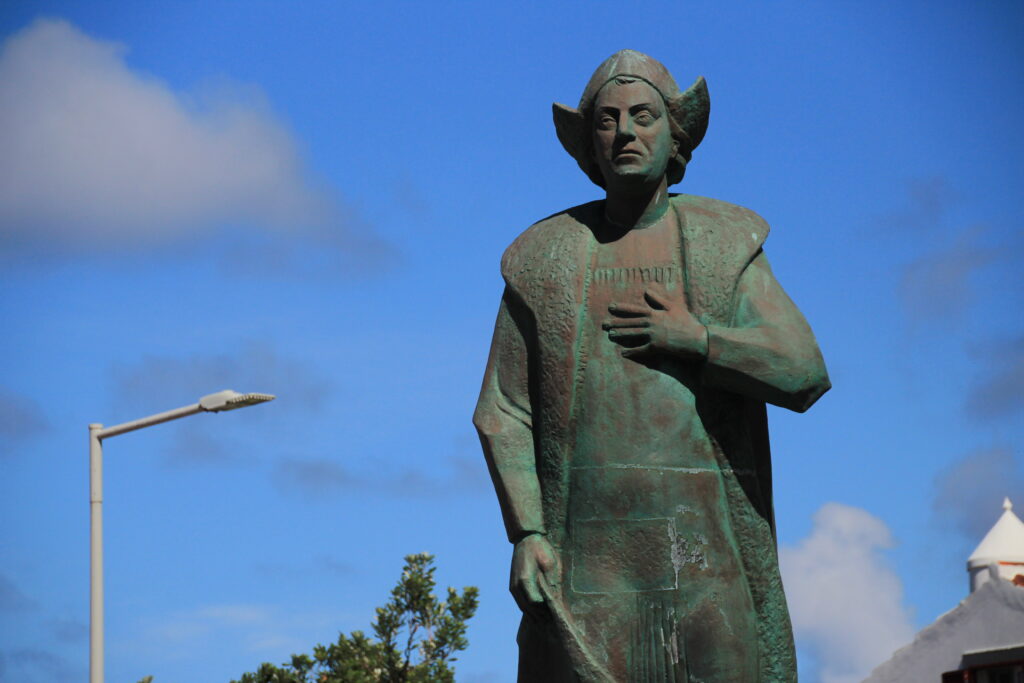
Right at the entrance of Anjos you will find a large statue of this historical figure and a chapel in front of it. Take the opportunity to visit the Hermitage of Nossa Senhora dos Anjos. It is believed to have been the first chapel to be built in the Azores, including Santa Maria. During the return trip from the discovery of America, Christopher Columbus and his crew prayed a mass in this hermitage, fulfilling a promise made on the high seas.
Soon after contemplating this historical place and the whole bathing area, return by the same access road to leave the area and head towards Barreiro da Faneca. The Protected Landscape Area of Barreiro da Faneca is a vast area of arid and clayey land, constituting a reddish-yellow desert landscape unique in the Azores.
After visiting the so-called “Red Desert of the Azores”, continue on the northern road of the island until you reach the Lagoínhas Viewpoint. Stop at the viewpoint and enjoy the view it provides over the Lagoínhas islet, a beautiful contrast between the blue of the sea and the green of the meadows.
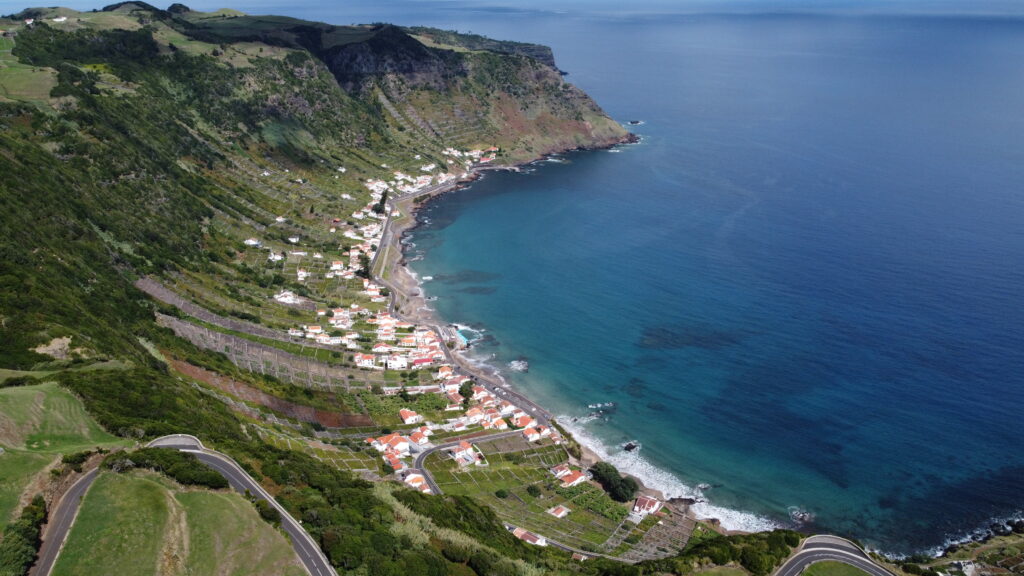
Continue on the same road towards São Lourenço Bay. The Protected Landscape Area of São Lourenço Bay is a seaside resort with a beach and a natural pool located on a beautiful hillside. Here you can admire the vineyards that produce the famous wine of the area and the São Lourenço islet. It is one of the most beautiful areas of the island of Santa Maria and the Azores Archipelago, along with Praia Formosa, the Bay of São Lourenço is another ex-libris of the island of Sol.
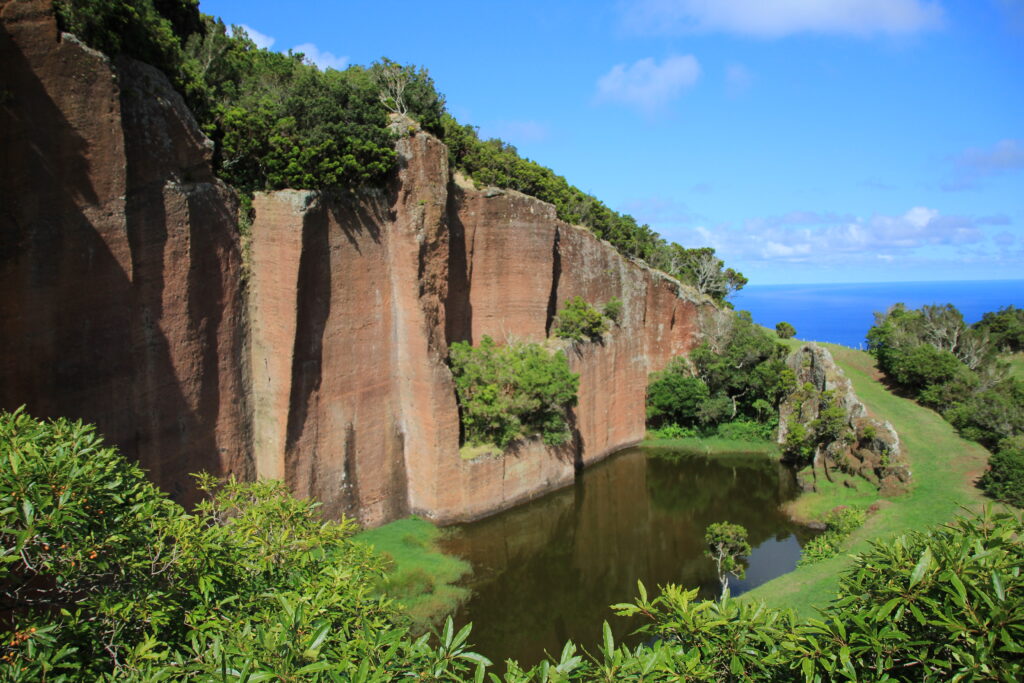
Continuing the itinerary, leave São Lourenço Bay in the direction of the Poço da Pedreira. The Poço da Pedreira is a lake originated by rain in a place previously used for stone extraction. It is a beautiful place where the activity of Man and Nature produce beautiful effects. It is definitely worth a visit.
And because Poço da Pedreira is one of the highlights of your visit and of your day, continue the tour towards Pico Alto. Pico Alto, with an altitude of about 590 meters, is the highest point on the island of Santa Maria. Park your car in the area for the purpose and go up to the viewpoint. There, you can admire a magnificent panoramic view of the entire island.
When you leave Pico Alto, take the opportunity and pass by the Fontinhas Recreation Forest Reserve. Like Pico Alto, it is located in the central area of the island of Santa Maria. It is an area that benefits from climatic conditions favorable to plant development. The area is composed of several exotic species, with special emphasis on cryptomeria and sequoias. In this area, one should highlight the exclusivity of the tree fern, a plant originally from Australia. In addition, the area is equipped with picnic infrastructures, sanitary installations and also a playground.
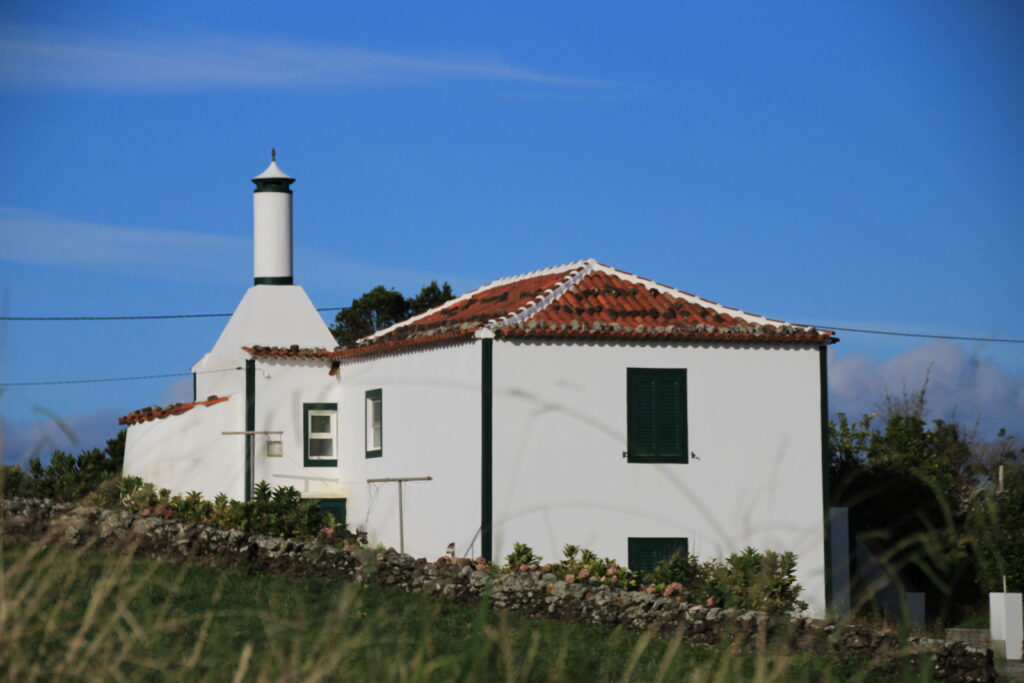
After visiting the Fontinhas Recreation Forest Reserve, visit the Santa Maria Museum. Located in Santo Espírito, it is integrated in a building that preserves the characteristics of the architecture of a typical rural house of Santa Maria. Inside, the environment and the ceramic pieces serve to tell the story of the daily way of life lived in times gone by.
This is an itinerary that encompasses some of the major attractions of the island of Santa Maria. Perhaps if you stay longer on the island, you can visit and experience many other things. Consult our tour guide, your best travel companion. The best of the Azores is here!