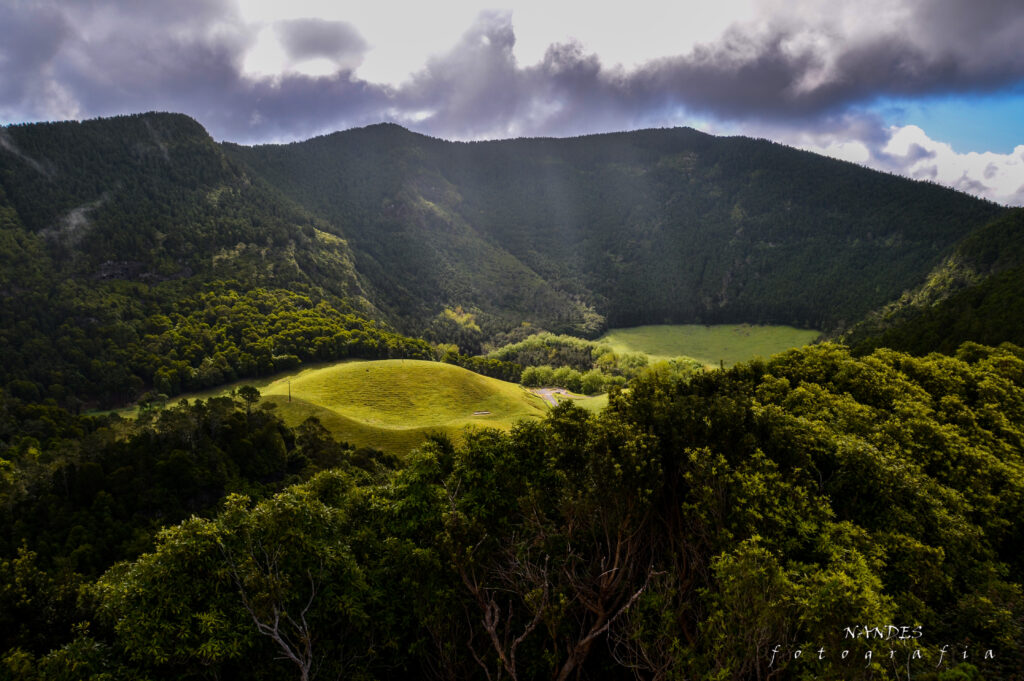
Caldeira da Graciosa
This volcanic depression in elliptical shape situated at the top of the caldeira volcano currently constitutes the second largest forested area of the island and is the most emblematic element of the island, presenting several types of volcanic formations. Thus, the Caldeira da Graciosa receives the classification of Biosphere Reserve by UNESCO, as it is home to a diversity of important natural species.
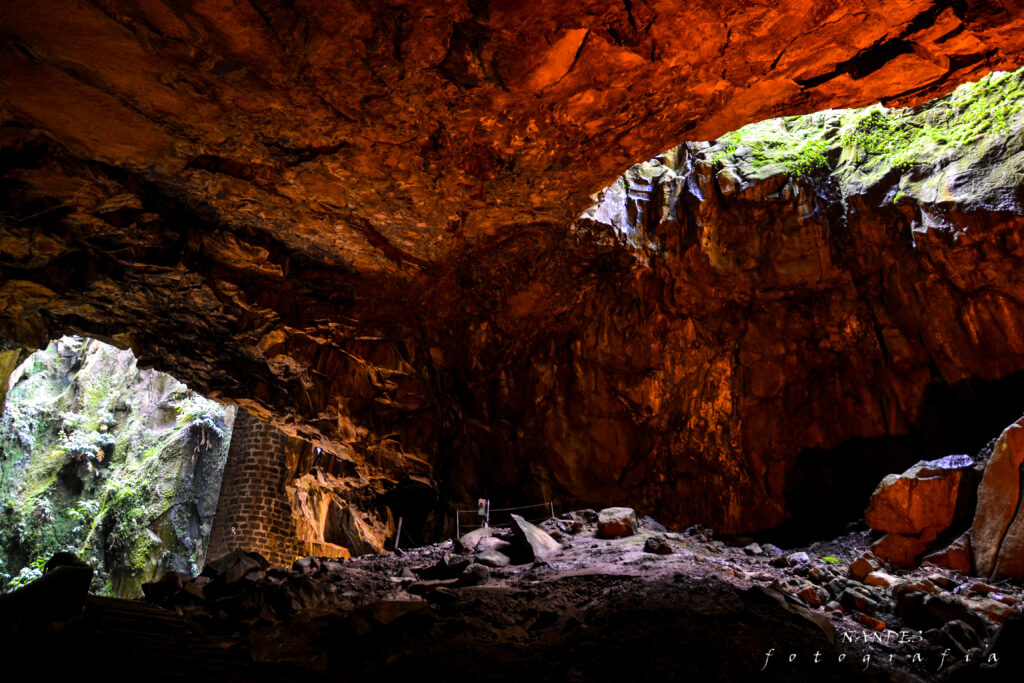
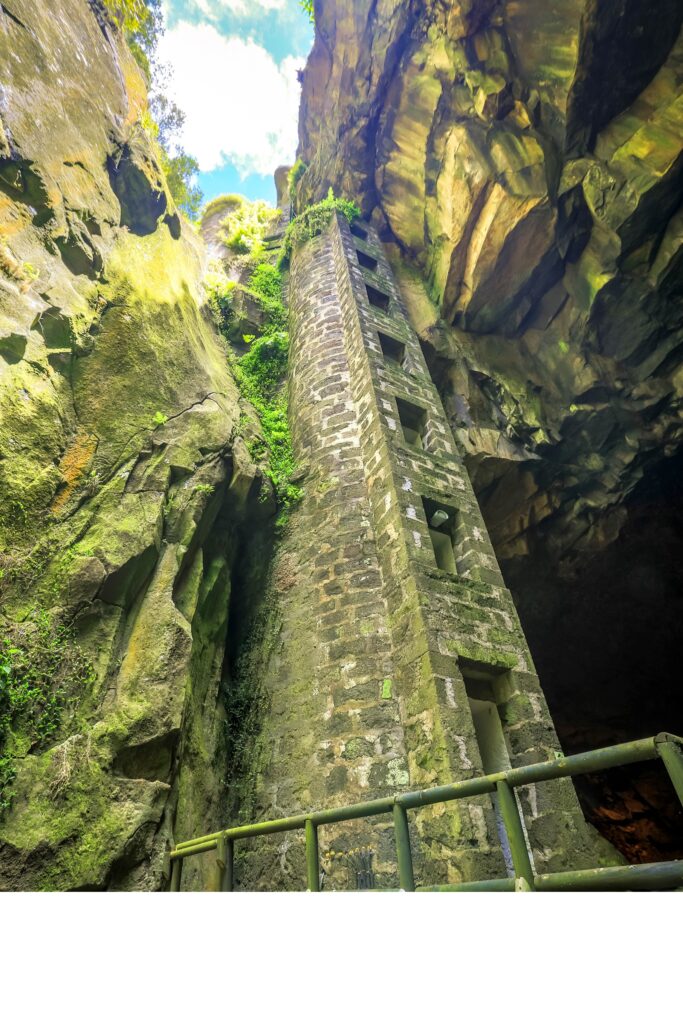
Furna do Enxofre
Furna do Enxofre is located inside the Graciosa Caldeira and is a volcanological phenomenon of great interest. This is the biggest lava cave in Europe and the access to its interior is made through a tower with about 37 meters of altitude. Inside this tower there are spiral staircases that allow you to climb up. The roof of the cave has a perfect vaulted shape at an altitude of about 50 meters. Here there is also a fumarole with mud that emanates sulfurous gases.
Caldeirinha
This place is the only algar in the whole island and is easily accessible, being possible to walk around its crater, allowing you to enjoy a variety of surrounding landscapes that integrate 55 volcanic slag cones. At its highest point it is possible to see the islands of Terceira, São Jorge and Faial. Here you can also find several endemic species of flora.
Ilhéu de Baixo
Important refuge for several seabirds, this islet is located in the south coast of Graciosa island and is integrated in the Azores Geopark. Here we can find a variety of coastal flora species, some of them endemic. The geological formation of the islet corresponds to a cone of surteseian tuffs resulting from marine volcanic activity in a shallow water area. This islet is only accessible by boat.
Ilhéu da Praia
This islet, similarly to the Ilhéu de Baixo, is also an important nesting area for seabirds such as the Montagu’s Shearwater that only nests on the islets of Graciosa. The Ilhéu da Praia also serves as habitat for endemic flora species.
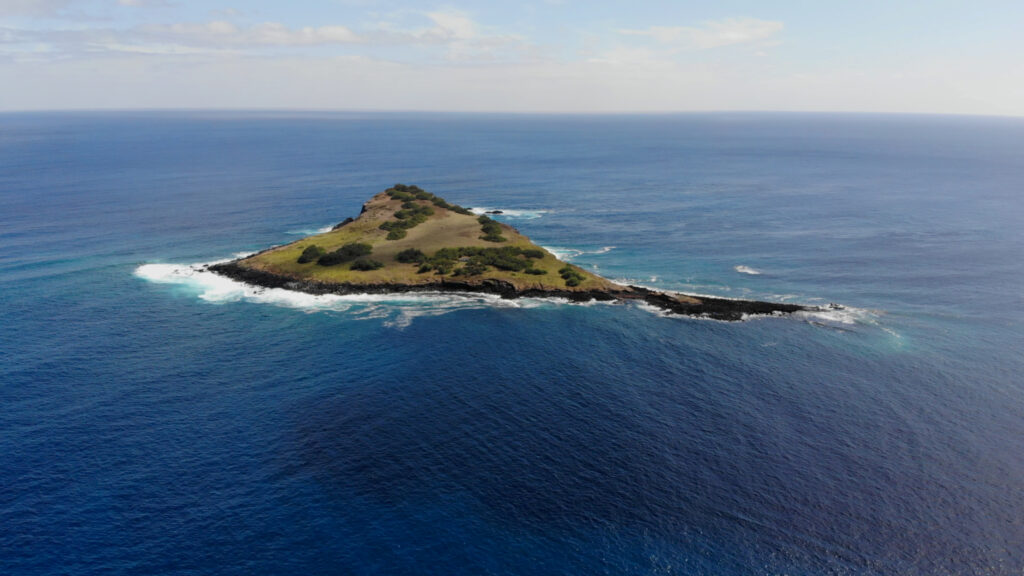
Ilhéu da Baleia
Curiously, this islet of the takes a shape similar to a whale, hence its name. In front of it is a small bay with crystal clear waters. The Ilhéu da Baleia also belongs to the group of islets where endemic seabirds nest.
Pico Timão and Facho
Pico Timão is pointed as the center of the last volcanic eruption that occurred on the island of Graciosa. It reaches an altitude of 398 meters and is covered by endemic vegetation. Similarly to Pico Timão this peak is related to the last eruption on this island and reaches an altitude of 375 meters. This peak is also full of endemic vegetation and is suitable for hiking.
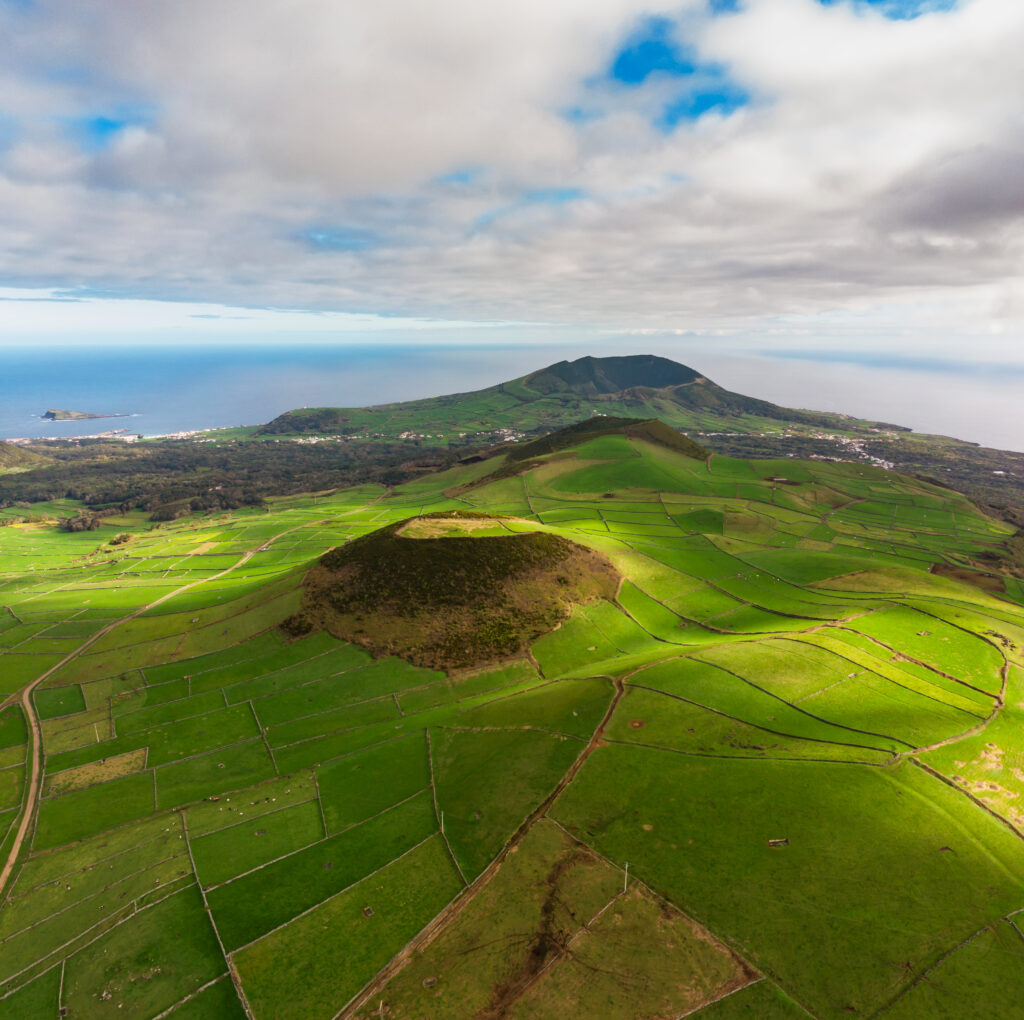
Nossa Senhora da Ajuda Mount
Being the point from which the town of Santa Cruz da Graciosa developed and having an incredible panoramic view over the town, the Mount of Nossa Senhora da Ajuda is one of the places of obligatory visit.
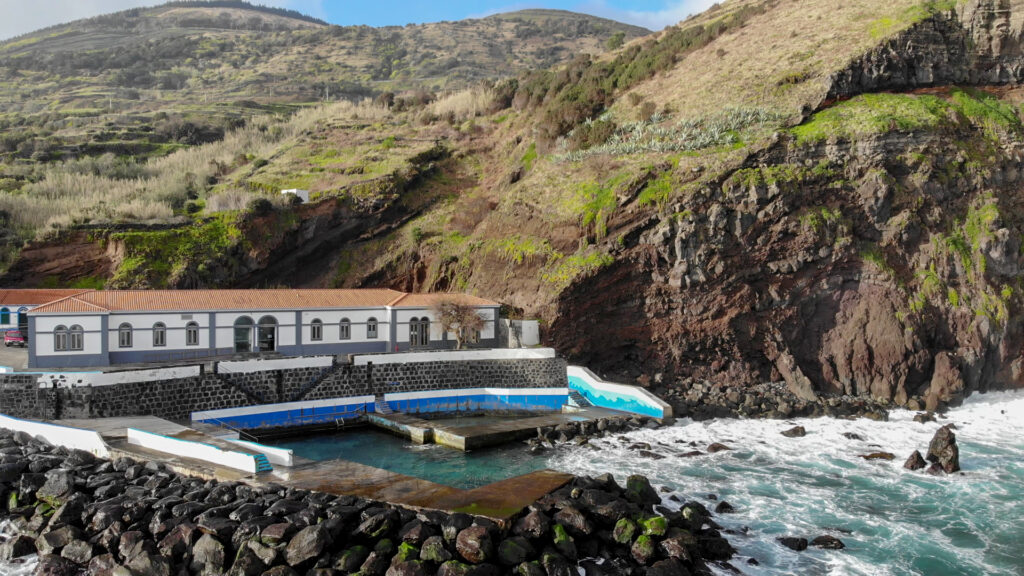
Carapacho Thermal Spa
Spa said to have healing and even miraculous properties by the ancient inhabitants of the islands. This one is next to the sea, at the foot of the highest volcanic elevation on the island.